

Treasures of the Uriach Foundation
The Foundation manages more than 12,000 books on the history of the health sciences and over 30,000 archival documents related to the history of the company. Among all this material, we can find certain treasures that stand out for their importance, uniqueness, or representativeness. In this section, you will be able to access some of these works, which we hope you will find of interest.
Treasures of the Archive
-
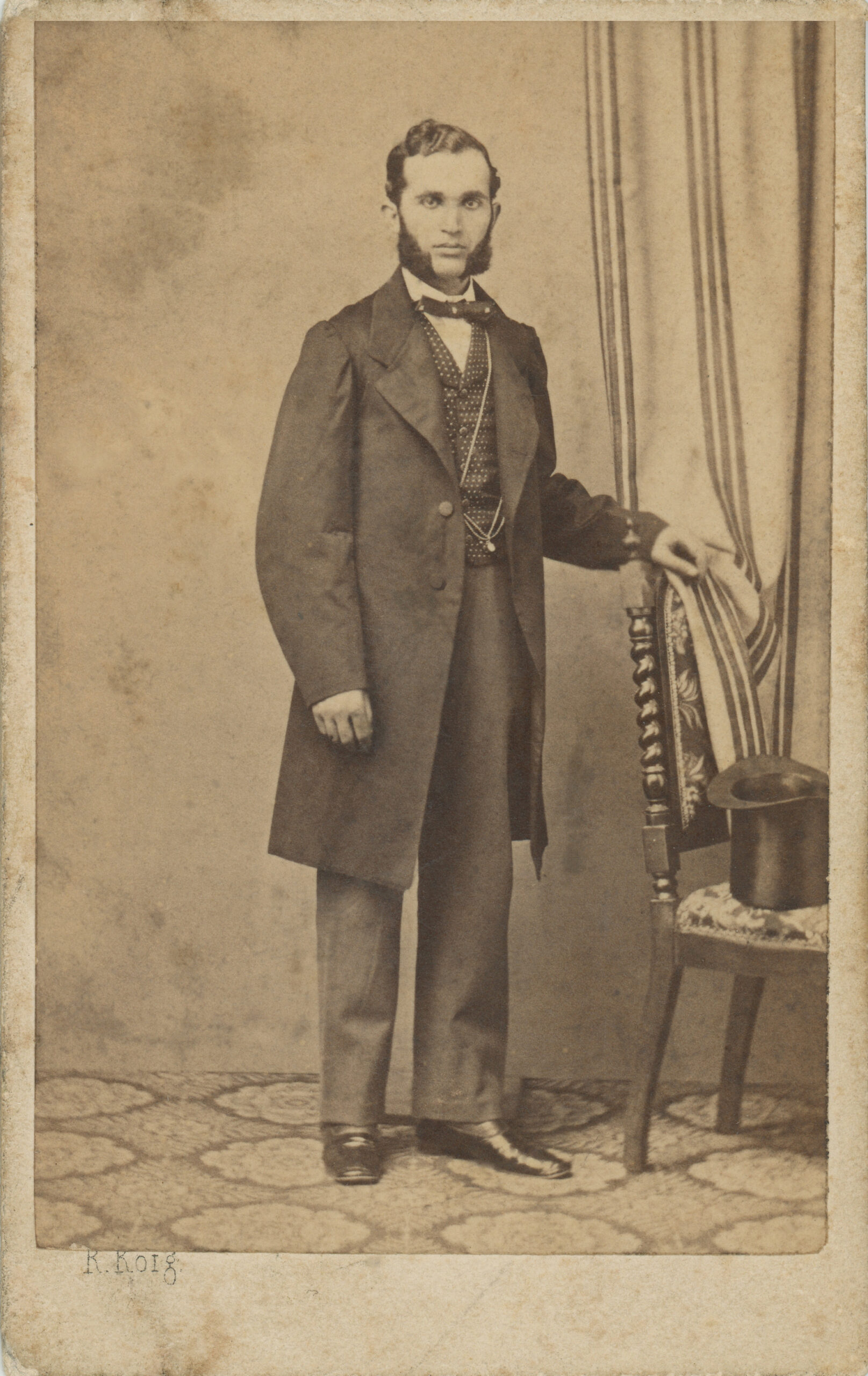 Photography Collection
The Origins of Photography. Life Portrayed
1860-1920The arrival of photography in Spain dates back to the mid-19th century and soon spread throughout the country’s main cities, driven by technological innovations and new business opportunities. Initially, photography developed through studio portraits, but later, with the advent of more portable cameras and films more sensitive to light, it became possible to capture outdoor images, immortalizing public events and everyday scenes.
This collection mainly includes images from the Uriach family sphere, among them studio portraits by renowned photographers such as the Napoleon brothers (Antoni and Emili Fernández) and Pau Audouard, as well as family photographs taken outdoors. -
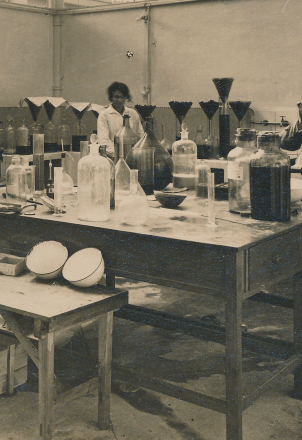 Photography Collection
Portraying the Beginnings of the Pharmaceutical Industry
1919In 1919, Uriach decided to move its headquarters to new, larger, and more efficient facilities in Barcelona’s most modern and industrial district, the Eixample. To immortalize this important event, a photographic session was organized, resulting in this set of images made possible by the evolution of new portable cameras, constructed of wood, metal, and leather, that used bellows for focusing, glass lenses, simple mechanical shutters, and a tripod to ensure stability and sharpness, especially in low-light indoor conditions.
This collection of images offers insight into what a company like Uriach was like and what it did in the early 20th century, through snapshots of the drugstore, offices, laboratories, warehouses, and more.
-
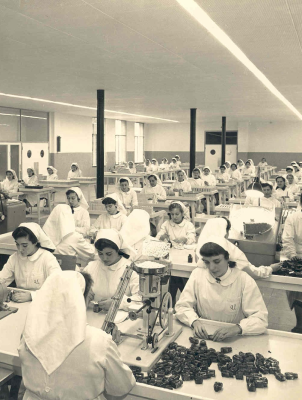 Photography Collection
Industrial Perspectives: Leica & Hasselblad
1961-1990In the 1960s, the decision was made to portray the company’s new and modern laboratories. To this end, Agustí Centelles, one of the finest Spanish photojournalists, was commissioned. After the Civil War, he turned to industrial photography to avoid reprisals from the regime. Armed with his Leica camera, Centelles captured images of great beauty and artistic value of the company’s facilities. Ten years later came Català-Roca, a renowned photographer who, with his Hasselblad camera, immortalized Uriach’s facilities, events, and people for more than 20 years. Thanks to these two unique artists, this extensive collection offers images from a period of great importance for the country’s industry.
-
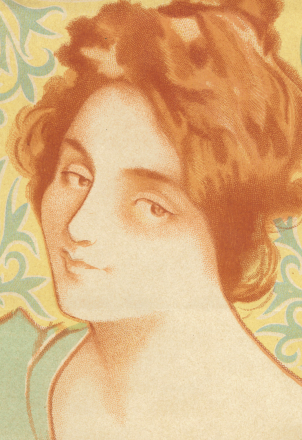 Advertising Collection
Modernism and Advertising
1885-1908At the turn of the 20th century, Barcelona experienced an economic and cultural boom in fields such as architecture, music, poster art, and advertising, with figures like Antoni Gaudí, Domènech i Montaner, Ramon Casas, and Santiago Rusiñol, among others. In this context, Modernist art became a key medium for promoting products and services through posters and advertising. These media successfully incorporated the defining features of the movement: sinuous lines, inspiration from nature, and the exaltation of beauty, creating works that not only sold but also beautified the city and filled it with pride.
This collection, which includes works by Antonio Utrillo and Francisco Seix, among others, reflects a unique moment in our country’s cultural history.
-
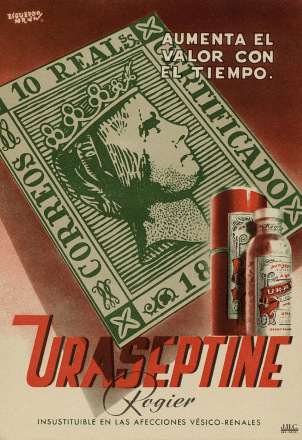 Advertising Collection
Advertising from Abroad
1910-1950At the end of the 19th and beginning of the 20th century, Spain was still in a pre-industrial phase, making it crucial for Uriach to import raw materials, machinery, and pharmaceutical specialties from countries such as France, Italy, or the United States. In this context, a massive influx of new products arrived, accompanied by advanced advertising strategies that included posters, newspaper and radio ads, as well as the creation of catchy slogans. These innovative campaigns not only promoted product sales but also shaped the tastes and consumption habits of society at the time. This situation changed abruptly with the outbreak of the Civil War and the subsequent ban on trade with foreign countries. This collection showcases foreign advertising from the first half of the 20th century, as well as its later influence.
-
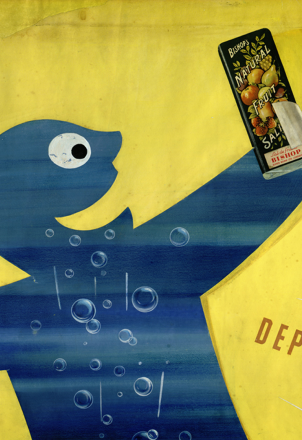 Advertising Collection
The Era of the Graphic Artists
1950-1970With the start of Uriach’s own product production and distribution during the postwar period, moving away from foreign products, the company turned to a group of promising artists whose innovative advertising helped boost sales of these new products. These artists ushered in a period that, due to its significance, would later be known as the ‘Era of the Graphic Artists,’ a movement led by pioneers such as Josep Pla-Narbona and Josep Artigas, among others, who transformed visual communication in Spain and contributed to the professionalization of the advertising sector. This movement encompassed not only advertising design but also editorial work, poster art, and corporate identity. This collection reflects a period that produced works of great value and created a visual legacy that would inspire future generations of designers.
-
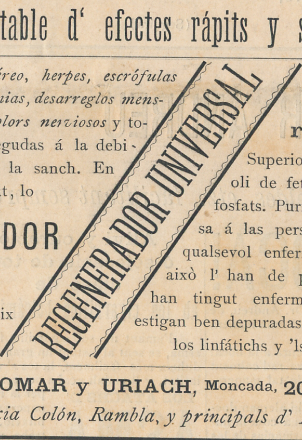 Newspaper Archive Collection
Ephemeral Advertising: Designed Not to Last
1877-1920In the late 19th and early 20th centuries, newspaper advertisements for health products were very common, as they provided an affordable, accessible medium with a wide audience. In this context, Uriach chose to invest in this advertising format, promoting all kinds of products in newspapers and magazines such as El Diario de Barcelona, La Publicidad, La Vanguardia, and El Diluvio, among others. These ads typically highlighted the curative properties and benefits of the products for a wide range of ailments, using persuasive language accompanied by patient testimonials, illustrations, and simple designs aimed at capturing attention in an increasingly competitive market. This collection of advertisements contributed to the growing consumption of medicines at the time and laid the foundations of modern marketing.
-
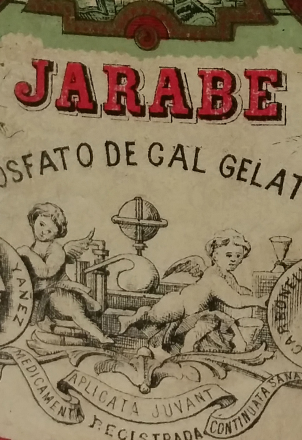 Pharmakoteka Collection
Health Packaged: The Evolution of Healing Products
1880-2024Since Uriach’s origins in 1838, the products created and distributed by the company have evolved significantly. At first, they consisted of natural remedies sold to treat illnesses such as flu, cough, and digestive problems, using simple pharmaceutical forms such as powders, syrups, tonics, and liquid extracts. These products were presented in plain bottles and wrappings that usually did not include precise or regulated information. With industrialization and the advancement of chemistry, more sophisticated medicines emerged during the 20th century, with new pharmaceutical forms and increasingly regulated and specific information. This collection of products offers insight into the evolution of diseases, ingredients, pharmaceutical forms, and technical information over time.
-
 Audiovisual Collection
Medicines on the Air: From Radio to Social Media
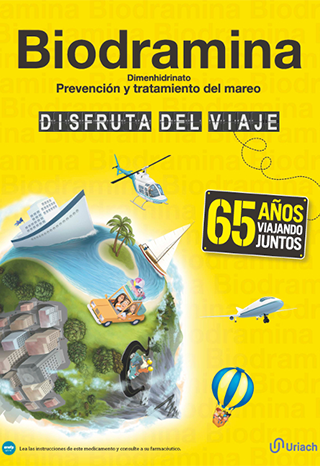
1984-1990The emergence of medicine advertisements on television and radio in Spain marked a milestone in advertising communication during the second half of the 20th century. From that moment on, these new mass media began to progressively replace traditional print formats such as posters and newspaper ads. The new audiovisual systems were designed to capture the attention of the general public and used simple, effective messages that highlighted the benefits and efficacy of the products, creating an emotional connection with consumers. Over time, advertising regulations were adjusted to ensure that the information provided was clear and accurate. From the 1980s onward, Uriach’s commitment to these new media was highly significant, as can be seen in this collection, with numerous television and radio campaigns for popular products such as Biodramina, Utabón, and Lipograsil, among many others. A way of communicating that, with the arrival of social media platforms such as Facebook, YouTube, Instagram, and TikTok, changed forever.